• Home
  • Categories
    • Women's Health
    • Men's Health
    • Family Health
    • Trends
    • Healing
    • Healthy Eating
    • writewave
August 27.2025
3 Minutes Read

Empowering Children: Building Resilience and Self-Advocacy with Physical Limitations

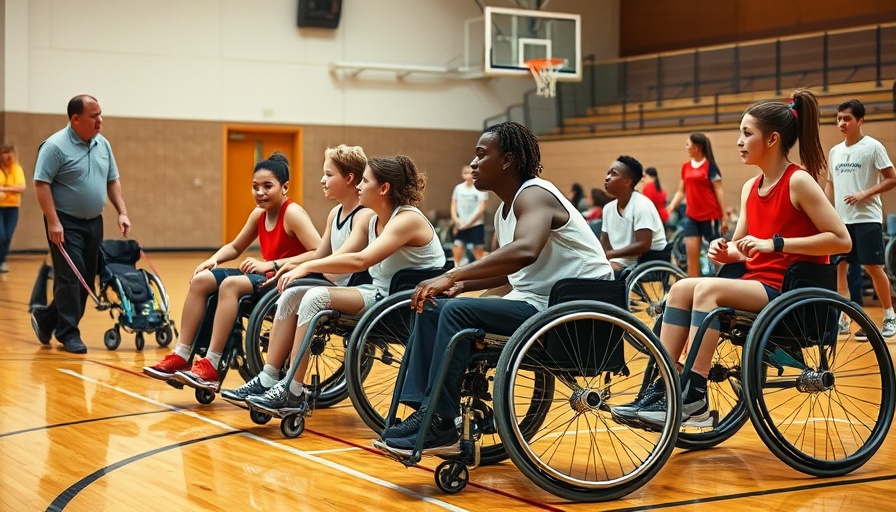
Fostering resilience and self-advocacy in children through wheelchair basketball.

Understanding the Importance of Resilience in Children

Resilience plays a pivotal role in how children confront and overcome challenges. For children with physical limitations, these challenges can often feel overwhelming. Resilience is not merely the ability to bounce back from setbacks; it's about fostering a mindset that embraces effort and learning—even in the face of adversity. When kids learn to navigate obstacles through resilience, they develop a greater sense of self-worth and become better equipped to face future challenges.

Defining Self-Advocacy: A Skill for Life

Self-advocacy is the cornerstone of independence for children, especially those with disabilities. It's vital that they learn to articulate their needs and preferences, whether in educational settings or daily life. Teaching self-advocacy starts with creating an environment where children feel safe and encouraged to express themselves. Adults can support this process by ensuring children understand their rights and helping them practice communicating their needs effectively.

Building Resilience: Strategies for Parents and Educators

For parents and educators, the journey of fostering resilience begins with modeling positive behaviors. This means showing children that making mistakes is okay and that each challenge is an opportunity to learn. To highlight this, focus on children’s existing strengths while gradually introducing them to new skills. Incorporating play and everyday activities into resilience-building exercises can also reinforce positive coping mechanisms.

Creating a Strengths Map: Visualizing Abilities

One innovative approach to encourage resilience is creating a strengths map. This visual tool can help children identify their capabilities, promoting a clear understanding of their abilities while acknowledging areas for growth. By collaborating on a strengths map, children can visualize their potential, making it a tangible part of their educational and personal journey. Use colors, drawings, or stickers to make it engaging—this not only makes the process fun but also empowers them to see their own progress.

Encouraging Growth Through Mindset

The language we use around challenges greatly influences how children perceive and respond to difficult situations. By fostering a growth mindset, parents can encourage kids to view obstacles as temporary stop signs rather than roadblocks. This type of thinking opens the door to experimentation and resilience. Discuss specific instances where challenges led to learning opportunities, reinforcing the idea that setbacks teach valuable lessons.

Practical Tips for Developing Self-Advocacy

There are concrete steps adults can take to help children develop effective self-advocacy skills. Begin by encouraging discussions about their needs and preferences. Role-playing scenarios where they must advocate for themselves, whether it’s in a doctor’s office or a classroom, can build their confidence. Plus, encouraging children to ask questions helps them become more informed and engaged in their own care and education. This engagement not only develops their self-advocacy skills but also instills a deeper understanding of their unique challenges and strengths.

Community Support: A Pillar of Resilience

Engaging with community resources can significantly bolster resilience in children with physical limitations. Local support groups, recreational programs designed for those with disabilities, and mentorship initiatives create safe spaces for children to connect with peers facing similar challenges. Communities that foster inclusivity allow children to thrive in environments where they feel valued and understood, which can be incredibly empowering.

The Long-Term Benefits of Resilience and Self-Advocacy

As children with physical limitations grow and learn, the skills of resilience and self-advocacy equip them for a more independent future. These children come to understand their rights and role in society, navigating adulthood with confidence and grace. Building these attributes doesn't just prepare them for academic and personal success; it empowers them to contribute positively to their communities and advocate for themselves and others around them.

Conclusion: The Journey Ahead

Fostering resilience and self-advocacy in children with physical limitations is a multi-faceted journey that involves community support, informed parenting, and continuous learning. By focusing on strengths, encouraging growth, and instilling the power of self-advocacy, we prepare these children to navigate life’s challenges with confidence. As we reflect on our roles as parents, educators, and community members, let’s commit to creating environments where our children can flourish. Take the first step by engaging in conversations about resilience and self-advocacy with the children in your life today!

Family Health

0 Comments

Write A Comment

*
*
Please complete the captcha to submit your comment.
Related Posts All Posts
07.25.2026

Teen Cannabis Use: The Alarming Connection to Mental Illness Risk

Update Understanding the Risk: Teen Cannabis Use and Mental Health A groundbreaking study has put a spotlight on the concerning relationship between teen cannabis use and mental health issues. Conducted with over 463,000 adolescents, this extensive research reveals that marijuana use among teenagers might significantly boost the likelihood of developing severe mental illnesses such as psychosis and bipolar disorder. With the growing acceptance and legalization of cannabis in various states, it is essential to scrutinize these findings closely. What the Study Found The study, published in JAMA Health Forum, reported alarming findings. Teens who used cannabis were found to have roughly double the risk of experiencing serious psychiatric conditions. The research underscores the urgency of addressing this growing trend in adolescent cannabis consumption, especially as its use continues to rise across age groups. With more than 10% of U.S. teenagers reporting cannabis use in the past year, according to the National Survey on Drug Use and Health, these findings should serve as a wake-up call for parents, educators, and policymakers. Long-Term Brain Development Concerns One of the most troubling aspects highlighted in the study is that cannabis use often precedes mental health diagnoses by almost two years. This timing suggests a potential causal link where cannabis exposure might contribute to severe mental health outcomes—something that raises red flags for parents and health professionals alike. The developing adolescent brain is particularly vulnerable to substances, which makes understanding these risks even more critical. As cannabis becomes increasingly potent and widely marketed, these findings emphasize the need for heightened awareness among parents and the community at large. The Broader Picture: Increasing Cannabis Potency Interestingly, as cannabis use becomes more common among teens, the potency of cannabis products has also surged. Reports indicate that average THC levels in California cannabis flower have topped 20%, which is significantly higher than in previous decades. With some concentrates exceeding 95% THC, the implications of this study grow even more critical amid these changing landscapes. As the potency of cannabis has increased, so have concerns over its safety, particularly for young, developing brains. Public Health Response: A Call to Action Dr. Lynn Silver, a co-author of the study, stresses the importance of a public health response to adolescent cannabis use. She advocates measures to reduce the potency of cannabis products, limit marketing directed at youth, and prioritize prevention efforts. Considering the association between cannabis and serious mental health conditions, it may be time to shift the narrative from cannabis use as a benign behavior to a serious public health issue. Addressing these challenges requires a united approach involving educators, health professionals, and families to foster a supportive environment. Real Voices: Community Perspectives on Cannabis Use A critical part of understanding the implications of cannabis use among teens involves listening to community voices. Many parents and educators express unease over the increasing normalization of cannabis as a social activity. They share anecdotes about the pressures adolescents face, whether from peers or from media representation, which can romanticize drug use and obscure real health risks. Community discussions often highlight a need for stronger guidelines around how cannabis is presented in the media and within social environments, as well as a push for transparency about its dangers. Addressing Misconceptions: Educating Teens on Risks There are numerous misconceptions surrounding cannabis use. Some teens may believe that it is a harmless recreational choice, but evidence suggests otherwise. One way to combat these misconceptions is through education and open discussions about the impact of cannabis on mental health. Schools and community organizations can take the lead in providing accurate information and fostering an environment where young people feel safe discussing these issues. Finding ways to educate young people about the potential impacts of cannabis on mental health can empower them to make informed decisions. Grassroots initiatives aimed at destigmatizing conversations about mental health can play a crucial role in fostering supportive environments for youth. Looking Ahead: The Future of Adolescent Cannabis Use The study prompts critical questions about the path forward. As mental health continues to be a priority, there are opportunities for counselors, school systems, and community health programs to develop strategic approaches to educate and influence adolescents towards healthier choices. Engaging young people through interactive outreach, workshops, and comprehensive resource networks could mitigate risks associated with cannabis use. Local health departments can consider collaborations with schools to create programs that address both mental health and substance use effectively. Empowering Parents and Teens to Take Action As this study indicates serious implications for adolescent well-being, it urges parents and guardians to take a proactive stance in educating their children about the risks of cannabis. Open conversations, backed by research and community support, can foster a deeper understanding of mental health. Knowing the facts can empower families to navigate these discussions and protect their teens' mental wellness. Parents should seek resources that can help them understand cannabis and its effects while sharing factual information with their children. Empowering Awareness for a Healthier Tomorrow As we collectively grapple with the implications of adolescent cannabis use, it's crucial to engage in conversations that promote mental wellness. Understanding the risks can be the key to fostering a safer, healthier future for our youth. By forming community coalitions, hosting educational events, and engaging in open dialogue, we can work together to guide adolescents towards a more informed and responsible relationship with cannabis.

10.06.2025

ADHD and Psychosis: Balancing Treatment Risks and Benefits for Better Health

Update Navigating the Complex Relationship Between ADHD and PsychosisAttention-deficit/hyperactivity disorder (ADHD) and schizophrenia spectrum disorders (SSD) often present overlapping symptoms, which can complicate accurate diagnoses and treatment approaches. Individuals with both diagnoses encounter increased challenges in educational and occupational settings, yet research on their shared experiences remains sparse. Breaking down this intricate relationship reveals essential considerations for those managing these conditions.Understanding Co-morbidity: The Overlap Between ADHD and SSDResearch indicates that up to 47% of adults diagnosed with schizophrenia also report ADHD symptoms, while children with ADHD face a heightened risk of developing psychotic disorders later in life. This connection highlights a crucial area for further exploration, especially considering that the conditions can exacerbate each other’s symptoms, leading to more severe cognitive impairment and social difficulties.The Risk and Benefits of ADHD Medications in Individuals with PsychosisWhile ADHD medications, particularly stimulants like lisdexamphetamine, have demonstrated benefits such as reduced hospitalization rates and improved overall functionality, there's a substantial caution regarding their use in individuals exhibiting psychotic features. A recent Swedish study involving nearly 10,000 SSD patients on ADHD medication for nine years provided vital evidence: individuals on lisdexamphetamine experienced fewer hospital admissions due to psychotic symptoms compared to their non-medicated counterparts. However, this does not eliminate the concerns regarding the potential exacerbation of psychotic experiences with stimulant use, particularly in those with underlying vulnerabilities.Future Directions: What This Means for Treatment StrategiesThe mixed results of current studies underscore the need for tailored treatment approaches. Clinicians typically face the dilemma of managing ADHD symptoms effectively while moderating psychotic risks. For instance, using dosage adjustments or combining ADHD medications with antipsychotics may mitigate potential adverse effects, suggesting a nuanced approach that targets both conditions effectively.Empowering Patients: Strategies for Optimizing WellnessFor individuals navigating the dual burdens of ADHD and psychosis, awareness and education can serve as powerful tools. Understanding the potential side effects of ADHD medications, recognizing early signs of exacerbated symptoms, and maintaining open dialogue with healthcare providers are pivotal in achieving optimal therapeutic outcomes. Empowerment through knowledge enables patients to participate actively in their treatment plans, fostering a collaborative atmosphere conducive to better mental health.Community Support: Enhancing Quality of LifeLocal community initiatives providing educational resources, support groups, and advocacy for mental health awareness play an invaluable role in enhancing the quality of life for those affected by ADHD and psychosis. Engaging with others who share similar experiences fosters social connections that can help combat feelings of isolation, while promoting resilience through shared learning and support. Communities that prioritize mental health awareness can create more inclusive environments for individuals dealing with these challenges.The Importance of Ongoing Research and CommunicationAs the body of literature on ADHD and SSD evolves, ongoing research is crucial to clarify treatment protocols and safety profiles for ADHD medications in populations with dual diagnoses. It is equally important to keep communication channels open between patients, families, and healthcare professionals. Regular evaluation of treatment effectiveness, medication adjustments, and lifestyle integration can pave the way for holistic approaches that prioritize both mental wellness and quality of life.In conclusion, understanding the interplay between ADHD and psychosis is vital as we thoughtfully navigate treatment options. For those affected, striving for improved wellness is an ongoing journey that benefits tremendously from community support, a grasp of available resources, and continual dialogue with healthcare providers. By fostering environments where learning and understanding thrive, we can enhance lives touched by these multifaceted conditions.

10.04.2025

How to Stay Connected With Your Teenage Son: Strategies for Bonding

Update Finding Common Ground: Navigate the Teenage Transition As children step into adolescence, the natural shift in their independence can lead to emotional distance between parents and their teenage sons. Establishing a strong connection during this pivotal time requires understanding and adaptability. What is crucial is the realization that the relationship is not broken; it's merely evolving. Encouraging Emotional Awareness in Boys Encouraging your son to share his feelings is vital in fostering a close bond. Society often imposes stereotypes on boys that suggest vulnerability is a weakness. Instead, parents can model emotional intelligence by sharing their own feelings and inviting open discussions about emotions. For instance, consider setting aside time each week for a “feelings check-in” where both you and your son can express something that made you happy, frustrated, or grateful. This simple yet profound practice not only helps your son articulate his emotions but also deepens your understanding of his inner world. Active Engagement: Creating Unforgettable Memories Spending quality time together is the cornerstone of a lasting relationship. Whether it’s playing video games, cooking a meal, or engaging in outdoor activities, being present in the moment is essential. Explore activities your son enjoys and join him in those experiences—ask him to teach you his favorite video game, invite him for a game of basketball, or plan a spontaneous day trip together. These shared moments create memories that resonate long after the activity ends, reinforcing your connection. Revisiting Traditions and Creating New Ones Traditions can provide comfort and nostalgia while also creating new avenues for connection. While adapting to changes in your son’s interests, it’s important not to neglect the small traditions that once brought you together. Examine past bonding experiences and discuss them during quieter times. For example, if there were family game nights or special movie outings that your son once enjoyed, consider revisiting them to rekindle that connection. Accepting the Changes in the Relationship As a mother, acknowledging that your son is growing up and needs space is crucial. This acceptance leads to a more supportive environment for him to explore his individuality, and also allows you to adapt how you engage with him. Always remember that just because he’s not physically present as much doesn’t mean your bond is diminishing; embrace the 'glimmers' of connection you do have, and stay open to the new ways he expresses love and appreciation. Final Thoughts: Building a Foundation of Trust and Respect In the whirlwind of parenthood, it's important to remember that every phase comes with its challenges—and joys. By employing emotional awareness, actively engaging in shared interests, and accepting the changing dynamics, you can stay connected with your teenage son. Fostering a strong relationship during this transitional period builds a foundation rooted in trust and respect that can carry into adulthood. As you navigate your own journey, consider exploring more about strengthening your connection with your son. You may find that understanding and adapting to each other’s needs opens doors for richer, more meaningful conversations.

855 837 1114

AVAILABLE FROM 8AM - 5PM

City, State

9727 Mount Psigah Road, Silver Spring, Maryland

ABOUT US

HealHereDMV.com exists to be the trusted digital hub for health, wellness, and healing stories in the
Washington DC, Maryland, and Virginia region, blending authoritative insights with community voices,
and distributing them locally and nationally.

© 2026 Digital2grow LLC All Rights Reserved. 9727 Mount Psigah Road, Silver Spring, Maryland 20903 . Contact Us . Terms of Service . Privacy Policy

eyJjb21wYW55IjoiRGlnaXRhbDJncm93IExMQyIsImFkZHJlc3MiOiI5NzI3IE1vdW50IFBzaWdhaCBSb2FkIiwiY2l0eSI6IlNpbHZlciBTcHJpbmciLCJzdGF0ZSI6Ik1hcnlsYW5kIiwiemlwIjoiMjA5MDMiLCJlbWFpbCI6ImNocmlzQGRpZ2l0YWwyZ3Jvd2xsYy5jb20iLCJ0b3MiOiJQSEErUEhOMGNtOXVaejQ4WlcwK1YyaGxiaUI1YjNVZ2MybG5iaTFwYmlCM2FYUm9JSFZ6TENCNWIzVWdZWEpsSUdkcGRtbHVaeVp1WW5Od095QjViM1Z5SUhCbGNtMXBjM05wYjI0Z1lXNWtJR052Ym5ObGJuUWdkRzhnYzJWdVpDQjViM1VnWlcxaGFXd2dZVzVrTDI5eUlGTk5VeUIwWlhoMElHMWxjM05oWjJWekxpQkNlU0JqYUdWamEybHVaeUIwYUdVZ1ZHVnliWE1nWVc1a0lFTnZibVJwZEdsdmJuTWdZbTk0SUdGdVpDQmllU0J6YVdkdWFXNW5JR2x1SUhsdmRTQmhkWFJ2YldGMGFXTmhiR3g1SUdOdmJtWnBjbTBnZEdoaGRDQjViM1VnWVdOalpYQjBJR0ZzYkNCMFpYSnRjeUJwYmlCMGFHbHpJR0ZuY21WbGJXVnVkQzQ4TDJWdFBqd3ZjM1J5YjI1blBqd3ZjRDRLQ2p4d1BqeGhJR2h5WldZOUltaDBkSEE2THk5M2QzY3VaMjl2WjJ4bExtTnZiU0krYUhSMGNEb3ZMM2QzZHk1bmIyOW5iR1V1WTI5dFBDOWhQand2Y0Q0S0NqeHdQaVp1WW5Od096d3ZjRDRLQ2p4d1BqeHpkSEp2Ym1jK1UwVlNWa2xEUlR3dmMzUnliMjVuUGp3dmNENEtDanh3UGxkbElIQnliM1pwWkdVZ1lTQnpaWEoyYVdObElIUm9ZWFFnWTNWeWNtVnVkR3g1SUdGc2JHOTNjeUI1YjNVZ2RHOGdjbVZqWldsMlpTQnlaWEYxWlhOMGN5Qm1iM0lnWm1WbFpHSmhZMnNzSUdOdmJYQmhibmtnYVc1bWIzSnRZWFJwYjI0c0lIQnliMjF2ZEdsdmJtRnNJR2x1Wm05eWJXRjBhVzl1TENCamIyMXdZVzU1SUdGc1pYSjBjeXdnWTI5MWNHOXVjeXdnWkdselkyOTFiblJ6SUdGdVpDQnZkR2hsY2lCdWIzUnBabWxqWVhScGIyNXpJSFJ2SUhsdmRYSWdaVzFoYVd3Z1lXUmtjbVZ6Y3lCaGJtUXZiM0lnWTJWc2JIVnNZWElnY0dodmJtVWdiM0lnWkdWMmFXTmxMaUJaYjNVZ2RXNWtaWEp6ZEdGdVpDQmhibVFnWVdkeVpXVWdkR2hoZENCMGFHVWdVMlZ5ZG1salpTQnBjeUJ3Y205MmFXUmxaQ0FtY1hWdmREdEJVeTFKVXlaeGRXOTBPeUJoYm1RZ2RHaGhkQ0IzWlNCaGMzTjFiV1VnYm04Z2NtVnpjRzl1YzJsaWFXeHBkSGtnWm05eUlIUm9aU0IwYVcxbGJHbHVaWE56TENCa1pXeGxkR2x2Yml3Z2JXbHpMV1JsYkdsMlpYSjVJRzl5SUdaaGFXeDFjbVVnZEc4Z2MzUnZjbVVnWVc1NUlIVnpaWElnWTI5dGJYVnVhV05oZEdsdmJuTWdiM0lnY0dWeWMyOXVZV3hwZW1GMGFXOXVJSE5sZEhScGJtZHpMand2Y0Q0S0NqeHdQbGx2ZFNCaGNtVWdjbVZ6Y0c5dWMybGliR1VnWm05eUlHOWlkR0ZwYm1sdVp5QmhZMk5sYzNNZ2RHOGdkR2hsSUZObGNuWnBZMlVnWVc1a0lIUm9ZWFFnWVdOalpYTnpJRzFoZVNCcGJuWnZiSFpsSUhSb2FYSmtJSEJoY25SNUlHWmxaWE1nS0hOMVkyZ2dZWE1nVTAxVElIUmxlSFFnYldWemMyRm5aWE1zSUVsdWRHVnlibVYwSUhObGNuWnBZMlVnY0hKdmRtbGtaWElnYjNJZ1kyVnNiSFZzWVhJZ1lXbHlkR2x0WlNCamFHRnlaMlZ6S1M0Z1dXOTFJR0Z5WlNCeVpYTndiMjV6YVdKc1pTQm1iM0lnZEdodmMyVWdabVZsY3l3Z2FXNWpiSFZrYVc1bklIUm9iM05sSUdabFpYTWdZWE56YjJOcFlYUmxaQ0IzYVhSb0lIUm9aU0JrYVhOd2JHRjVJRzl5SUdSbGJHbDJaWEo1SUc5bUlHVmhZMmdnVTAxVElIUmxlSFFnYldWemMyRm5aU0J6Wlc1MElIUnZJSGx2ZFNCaWVTQjFjeTRnU1c0Z1lXUmthWFJwYjI0c0lIbHZkU0J0ZFhOMElIQnliM1pwWkdVZ1lXNWtJR0Z5WlNCeVpYTndiMjV6YVdKc1pTQm1iM0lnWVd4c0lHVnhkV2x3YldWdWRDQnVaV05sYzNOaGNua2dkRzhnWVdOalpYTnpJSFJvWlNCVFpYSjJhV05sSUdGdVpDQnlaV05sYVhabElIUm9aU0JUVFZNZ2RHVjRkQ0J0WlhOellXZGxjeTRnVjJVZ1pHOGdibTkwSUdOb1lYSm5aU0JoYm5rZ1ptVmxjeUJtYjNJZ1pHVnNhWFpsY25rZ2IyWWdaVzFoYVd3Z2IzSWdVMDFUTGlCVWFHbHpJR2x6SUdFZ1puSmxaU0J6WlhKMmFXTmxJSEJ5YjNacFpHVmtJR0o1SUhWekxpQkliM2RsZG1WeUxDQndiR1ZoYzJVZ1kyaGxZMnNnZDJsMGFDQjViM1Z5SUdsdWRHVnlibVYwSUhObGNuWnBZMlVnY0hKdmRtbGtaWElnWVc1a0lHTmxiR3gxYkdGeUlHTmhjbkpwWlhJZ1ptOXlJR0Z1ZVNCamFHRnlaMlZ6SUhSb1lYUWdiV0Y1SUdsdVkzVnlJR0Z6SUdFZ2NtVnpkV3gwSUdaeWIyMGdjbVZqWldsMmFXNW5JR1Z0WVdsc0lHRnVaQ0JUVFZNZ2RHVjRkQ0J0WlhOellXZGxjeUIwYUdGMElIZGxJR1JsYkdsMlpYSWdkWEJ2YmlCNWIzVnlJRzl3ZEMxcGJpQmhibVFnY21WbmFYTjBjbUYwYVc5dUlIZHBkR2dnYjNWeUlHVnRZV2xzSUdGdVpDQlRUVk1nYzJWeWRtbGpaWE11SUZsdmRTQmpZVzRnWTJGdVkyVnNJR0YwSUdGdWVTQjBhVzFsTGlCS2RYTjBJSFJsZUhRZ0puRjFiM1E3VTFSUFVDWnhkVzkwT3lCMGJ6eG9hV2RvYkdsbmFIUWdZMnhoYzNNOUltTnZiWEJoYm5sUWFHOXVaVlZ3WkdGMFpTSStPRFUxSURnek55QXhNVEUwUEM5b2FXZG9iR2xuYUhRK0xpQkJablJsY2lCNWIzVWdjMlZ1WkNCMGFHVWdVMDFUSUcxbGMzTmhaMlVnSm5GMWIzUTdVMVJQVUNaeGRXOTBPeUIwYnlCMWN5d2dkMlVnZDJsc2JDQnpaVzVrSUhsdmRTQmhiaUJUVFZNZ2JXVnpjMkZuWlNCMGJ5QmpiMjVtYVhKdElIUm9ZWFFnZVc5MUlHaGhkbVVnWW1WbGJpQjFibk4xWW5OamNtbGlaV1F1SUVGbWRHVnlJSFJvYVhNc0lIbHZkU0IzYVd4c0lHNXZJR3h2Ym1kbGNpQnlaV05sYVhabElGTk5VeUJ0WlhOellXZGxjeUJtY205dElIVnpMand2Y0Q0S0NqeHdQanh6ZEhKdmJtYytXVTlWVWlCU1JVZEpVMVJTUVZSSlQwNGdUMEpNU1VkQlZFbFBUbE04TDNOMGNtOXVaejQ4TDNBK0NnbzhjRDVKYmlCamIyNXphV1JsY21GMGFXOXVJRzltSUhsdmRYSWdkWE5sSUc5bUlIUm9aU0JUWlhKMmFXTmxMQ0I1YjNVZ1lXZHlaV1VnZEc4NlBDOXdQZ29LUEc5c1Bnb0pQR3hwUG5CeWIzWnBaR1VnZEhKMVpTd2dZV05qZFhKaGRHVXNJR04xY25KbGJuUWdZVzVrSUdOdmJYQnNaWFJsSUdsdVptOXliV0YwYVc5dUlHRmliM1YwSUhsdmRYSnpaV3htSUdGeklIQnliMjF3ZEdWa0lHSjVJSFJvWlNCVFpYSjJhV05sSmlNek9UdHpJSEpsWjJsemRISmhkR2x2YmlCbWIzSnRJQ2h6ZFdOb0lHbHVabTl5YldGMGFXOXVJR0psYVc1bklIUm9aU0FtY1hWdmREdFNaV2RwYzNSeVlYUnBiMjRnUkdGMFlTWnhkVzkwT3lrZ1lXNWtQQzlzYVQ0S0NUeHNhVDV0WVdsdWRHRnBiaUJoYm1RZ2NISnZiWEIwYkhrZ2RYQmtZWFJsSUhSb1pTQlNaV2RwYzNSeVlYUnBiMjRnUkdGMFlTQjBieUJyWldWd0lHbDBJSFJ5ZFdVc0lHRmpZM1Z5WVhSbExDQmpkWEp5Wlc1MElHRnVaQ0JqYjIxd2JHVjBaUzRnU1dZZ2VXOTFJSEJ5YjNacFpHVWdZVzU1SUdsdVptOXliV0YwYVc5dUlIUm9ZWFFnYVhNZ2RXNTBjblZsTENCcGJtRmpZM1Z5WVhSbExDQnViM1FnWTNWeWNtVnVkQ0J2Y2lCcGJtTnZiWEJzWlhSbExDQnZjaUIzWlNCb1lYWmxJSEpsWVhOdmJtRmliR1VnWjNKdmRXNWtjeUIwYnlCemRYTndaV04wSUhSb1lYUWdjM1ZqYUNCcGJtWnZjbTFoZEdsdmJpQnBjeUIxYm5SeWRXVXNJR2x1WVdOamRYSmhkR1VzSUc1dmRDQmpkWEp5Wlc1MElHOXlJR2x1WTI5dGNHeGxkR1VzSUhkbElHaGhkbVVnZEdobElISnBaMmgwSUhSdklITjFjM0JsYm1RZ2IzSWdQSE4wY205dVp6NDhjM0JoYmlCemRIbHNaVDBpWTI5c2IzSTZJMFpHTURBd01Ec2lQblJsY20xcGJtRjBaU0I1YjNWeUlHRmpZMjkxYm5RdmNISnZabWxzWlNCaGJtUWdjbVZtZFhObElHRnVlU0JoYm1RZ1lXeHNJR04xY25KbGJuUWdiM0lnWm5WMGRYSmxJSFZ6WlNCdlppQjBhR1VnVTJWeWRtbGpaU0FvYjNJZ1lXNTVJSEJ2Y25ScGIyNGdkR2hsY21Wdlppa3VQQzl6Y0dGdVBqd3ZjM1J5YjI1blBqd3ZiR2srQ2p3dmIydytDZ284Y0Q0bWJtSnpjRHM4TDNBK0NqeG9hV2RvYkdsbmFIUWdZMnhoYzNNOUltTnZiWEJoYm5sT1lXMWxWWEJrWVhSbElqNUVhV2RwZEdGc01tZHliM2NnVEV4RFBDOW9hV2RvYkdsbmFIUStQR0p5SUM4K0NqeG9hV2RvYkdsbmFIUWdZMnhoYzNNOUltTnZiWEJoYm5sQlpHUnlaWE56VlhCa1lYUmxJajQ1TnpJM0lFMXZkVzUwSUZCemFXZGhhQ0JTYjJGa0xDQlRhV3gyWlhJZ1UzQnlhVzVuTENCTllYSjViR0Z1WkNBeU1Ea3dNend2YUdsbmFHeHBaMmgwUGp4aWNpQXZQZ284YUdsbmFHeHBaMmgwSUdOc1lYTnpQU0pqYjIxd1lXNTVVR2h2Ym1WVmNHUmhkR1VpUGpnMU5TQTRNemNnTVRFeE5Ed3ZhR2xuYUd4cFoyaDBQanhpY2lBdlBnbzhhR2xuYUd4cFoyaDBJR05zWVhOelBTSmpiMjF3WVc1NVJXMWhhV3hWY0dSaGRHVWlQbU5vY21selFHUnBaMmwwWVd3eVozSnZkMnhzWXk1amIyMDhMMmhwWjJoc2FXZG9kRDQ9IiwicHJpdmFjeSI6IlBIQStQSE4wY205dVp6NVFVa2xXUVVOWlBDOXpkSEp2Ym1jK1BDOXdQZ29LUEhBK1BITjBjbTl1Wno1VWFHVWdhVzVtYjNKdFlYUnBiMjRnY0hKdmRtbGtaV1FnWkhWeWFXNW5JSFJvYVhNZ2NtVm5hWE4wY21GMGFXOXVJR2x6SUd0bGNIUWdjSEpwZG1GMFpTQmhibVFnWTI5dVptbGtaVzUwYVdGc0xDQmhibVFnZDJsc2JDQnVaWFpsY2lCaVpTQmthWE4wY21saWRYUmxaQ3dnWTI5d2FXVmtMQ0J6YjJ4a0xDQjBjbUZrWldRZ2IzSWdjRzl6ZEdWa0lHbHVJR0Z1ZVNCM1lYa3NJSE5vWVhCbElHOXlJR1p2Y20wdUlGUm9hWE1nYVhNZ2IzVnlJR2QxWVhKaGJuUmxaUzQ4TDNOMGNtOXVaejQ4TDNBK0NnbzhjRDQ4YzNSeWIyNW5Qa2xPUkVWTlRrbFVXVHd2YzNSeWIyNW5Qand2Y0Q0S0NqeHdQanhsYlQ1WmIzVWdZV2R5WldVZ2RHOGdhVzVrWlcxdWFXWjVJR0Z1WkNCb2IyeGtJSFZ6TEM0Z1lXNWtJR2wwY3lCemRXSnphV1JwWVhKcFpYTXNJR0ZtWm1sc2FXRjBaWE1zSUc5bVptbGpaWEp6TENCaFoyVnVkSE1zSUdOdkxXSnlZVzVrWlhKeklHOXlJRzkwYUdWeUlIQmhjblJ1WlhKekxDQmhibVFnWlcxd2JHOTVaV1Z6TENCb1lYSnRiR1Z6Y3lCbWNtOXRJR0Z1ZVNCamJHRnBiU0J2Y2lCa1pXMWhibVFzSUdsdVkyeDFaR2x1WnlCeVpXRnpiMjVoWW14bElHRjBkRzl5Ym1WNWN5WWpNems3SUdabFpYTXNJRzFoWkdVZ1lua2dZVzU1SUhSb2FYSmtJSEJoY25SNUlHUjFaU0IwYnlCdmNpQmhjbWx6YVc1bklHOTFkQ0J2WmlCRGIyNTBaVzUwSUhsdmRTQnlaV05sYVhabExDQnpkV0p0YVhRc0lISmxjR3g1TENCd2IzTjBMQ0IwY21GdWMyMXBkQ0J2Y2lCdFlXdGxJR0YyWVdsc1lXSnNaU0IwYUhKdmRXZG9JSFJvWlNCVFpYSjJhV05sTENCNWIzVnlJSFZ6WlNCdlppQjBhR1VnVTJWeWRtbGpaU3dnZVc5MWNpQmpiMjV1WldOMGFXOXVJSFJ2SUhSb1pTQlRaWEoyYVdObExDQjViM1Z5SUhacGIyeGhkR2x2YmlCdlppQjBhR1VnVkU5VExDQnZjaUI1YjNWeUlIWnBiMnhoZEdsdmJpQnZaaUJoYm5rZ2NtbG5hSFJ6SUc5bUlHRnViM1JvWlhJdVBDOWxiVDQ4TDNBK0NnbzhjRDQ4YzNSeWIyNW5Qa1JKVTBOTVFVbE5SVklnVDBZZ1YwRlNVa0ZPVkVsRlV6d3ZjM1J5YjI1blBqd3ZjRDRLQ2p4d1BqeHpkSEp2Ym1jK1dVOVZJRVZZVUZKRlUxTk1XU0JWVGtSRlVsTlVRVTVFSUVGT1JDQkJSMUpGUlNCVVNFRlVPand2YzNSeWIyNW5Qand2Y0Q0S0NqeHZiRDRLQ1R4c2FUNVpUMVZTSUZWVFJTQlBSaUJVU0VVZ1UwVlNWa2xEUlNCSlV5QkJWQ0JaVDFWU0lGTlBURVVnVWtsVFN5NGdWRWhGSUZORlVsWkpRMFVnU1ZNZ1VGSlBWa2xFUlVRZ1QwNGdRVTRnSm5GMWIzUTdRVk1nU1ZNbWNYVnZkRHNnUVU1RUlDWnhkVzkwTzBGVElFRldRVWxNUVVKTVJTWnhkVzkwT3lCQ1FWTkpVeTRnTEM0Z1FVNUVJRlZUTENCSlZDWWpNems3VXlCRFZWTlVUMDFGVWxNc0lFVllVRkpGVTFOTVdTQkVTVk5EVEVGSlRWTWdRVXhNSUZkQlVsSkJUbFJKUlZNZ1QwWWdRVTVaSUV0SlRrUXNJRmRJUlZSSVJWSWdSVmhRVWtWVFV5QlBVaUJKVFZCTVNVVkVMQ0JKVGtOTVZVUkpUa2NzSUVKVlZDQk9UMVFnVEVsTlNWUkZSQ0JVVHlCVVNFVWdTVTFRVEVsRlJDQlhRVkpTUVU1VVNVVlRJRTlHSUUxRlVrTklRVTVVUVVKSlRFbFVXU3dnUmtsVVRrVlRVeUJHVDFJZ1FTQlFRVkpVU1VOVlRFRlNJRkJWVWxCUFUwVWdRVTVFSUU1UFRpMUpUa1pTU1U1SFJVMUZUbFF1UEM5c2FUNEtDVHhzYVQ1TlFVdEZVeUJPVHlCWFFWSlNRVTVVV1NCVVNFRlVJQ2hwS1NCVVNFVWdVMFZTVmtsRFJTQlhTVXhNSUUxRlJWUWdXVTlWVWlCU1JWRlZTVkpGVFVWT1ZGTXNJQ2hwYVNrZ1ZFaEZJRk5GVWxaSlEwVWdWMGxNVENCQ1JTQlZUa2xPVkVWU1VsVlFWRVZFTENCVVNVMUZURmtzSUZORlExVlNSU3dnVDFJZ1JWSlNUMUl0UmxKRlJTd2dLR2xwYVNrZ1ZFaEZJRkpGVTFWTVZGTWdWRWhCVkNCTlFWa2dRa1VnVDBKVVFVbE9SVVFnUmxKUFRTQlVTRVVnVlZORklFOUdJRlJJUlNCVFJWSldTVU5GSUZkSlRFd2dRa1VnUVVORFZWSkJWRVVnVDFJZ1VrVk1TVUZDVEVVc0lFRk9SQ0FvYVhZcElFRk9XU0JGVWxKUFVsTWdTVTRnVkVoRklGTlBSbFJYUVZKRklGZEpURXdnUWtVZ1EwOVNVa1ZEVkVWRUxqd3ZiR2srQ2drOGJHaytRVTVaSUUxQlZFVlNTVUZNSUVSUFYwNU1UMEZFUlVRZ1QxSWdUMVJJUlZKWFNWTkZJRTlDVkVGSlRrVkVJRlJJVWs5VlIwZ2dWRWhGSUZWVFJTQlBSaUJVU0VVZ1UwVlNWa2xEUlNCSlV5QkVUMDVGSUVGVUlGbFBWVklnVDFkT0lFUkpVME5TUlZSSlQwNGdRVTVFSUZKSlUwc2dRVTVFSUZSSVFWUWdXVTlWSUZkSlRFd2dRa1VnVTA5TVJVeFpJRkpGVTFCUFRsTkpRa3hGSUVaUFVpQkJUbGtnUkVGTlFVZEZJRlJQSUZsUFZWSWdRMDlOVUZWVVJWSWdVMWxUVkVWTklFOVNJRXhQVTFNZ1QwWWdSRUZVUVNCVVNFRlVJRkpGVTFWTVZGTWdSbEpQVFNCVVNFVWdSRTlYVGt4UFFVUWdUMFlnUVU1WklGTlZRMGdnVFVGVVJWSkpRVXd1UEM5c2FUNEtDVHhzYVQ1T1R5QkJSRlpKUTBVZ1QxSWdTVTVHVDFKTlFWUkpUMDRzSUZkSVJWUklSVklnVDFKQlRDQlBVaUJYVWtsVVZFVk9MQ0JQUWxSQlNVNUZSQ0JDV1NCWlQxVWdSbEpQVFNCUFVpQlVTRkpQVlVkSUlFOVNJRVpTVDAwZ1ZFaEZJRk5GVWxaSlEwVWdVMGhCVEV3Z1ExSkZRVlJGSUVGT1dTQlhRVkpTUVU1VVdTQk9UMVFnUlZoUVVrVlRVMHhaSUZOVVFWUkZSQ0JKVGlCVVNFVWdWRTlUTGp3dmJHaytDand2YjJ3K0NnbzhjRDQ4YzNSeWIyNW5Qa3hKVFVsVVFWUkpUMDRnVDBZZ1RFbEJRa2xNU1ZSWlBDOXpkSEp2Ym1jK1BDOXdQZ29LUEhBK1dVOVZJRVZZVUZKRlUxTk1XU0JWVGtSRlVsTlVRVTVFSUVGT1JDQkJSMUpGUlNCVVNFRlVJRUZPUkNCVFNFRk1UQ0JPVDFRZ1FrVWdURWxCUWt4RklFWlBVaUJCVGxrZ1JFbFNSVU5VTENCSlRrUkpVa1ZEVkN3Z1NVNURTVVJGVGxSQlRDd2dVMUJGUTBsQlRDd2dRMDlPVTBWUlZVVk9WRWxCVENCUFVpQkZXRVZOVUV4QlVsa2dSRUZOUVVkRlV5d2dTVTVEVEZWRVNVNUhJRUpWVkNCT1QxUWdURWxOU1ZSRlJDQlVUeXdnUkVGTlFVZEZVeUJHVDFJZ1RFOVRVeUJQUmlCUVVrOUdTVlJUTENCSFQwOUVWMGxNVEN3Z1ZWTkZMQ0JFUVZSQklFOVNJRTlVU0VWU0lFbE9WRUZPUjBsQ1RFVWdURTlUVTBWVElDaEZWa1ZPSUVsR0lFaEJVeUJDUlVWT0lFRkVWa2xUUlVRZ1QwWWdWRWhGSUZCUFUxTkpRa2xNU1ZSWklFOUdJRk5WUTBnZ1JFRk5RVWRGVXlrc0lGSkZVMVZNVkVsT1J5QkdVazlOT2p3dmNENEtDanh2YkQ0S0NUeHNhVDVVU0VVZ1ZWTkZJRTlTSUZSSVJTQkpUa0ZDU1V4SlZGa2dWRThnVlZORklGUklSU0JUUlZKV1NVTkZPend2YkdrK0NnazhiR2srVkVoRklFTlBVMVFnVDBZZ1VGSlBRMVZTUlUxRlRsUWdUMFlnVTFWQ1UxUkpWRlZVUlNCSFQwOUVVeUJCVGtRZ1UwVlNWa2xEUlZNZ1VrVlRWVXhVU1U1SElFWlNUMDBnUVU1WklFZFBUMFJUTENCRVFWUkJMQ0JKVGtaUFVrMUJWRWxQVGlCUFVpQlRSVkpXU1VORlV5QlFWVkpEU0VGVFJVUWdUMUlnVDBKVVFVbE9SVVFnVDFJZ1RVVlRVMEZIUlZNZ1VrVkRSVWxXUlVRZ1QxSWdWRkpCVGxOQlExUkpUMDVUSUVWT1ZFVlNSVVFnU1U1VVR5QlVTRkpQVlVkSUlFOVNJRVpTVDAwZ1ZFaEZJRk5GVWxaSlEwVTdQQzlzYVQ0S0NUeHNhVDVWVGtGVlZFaFBVa2xhUlVRZ1FVTkRSVk5USUZSUElFOVNJRUZNVkVWU1FWUkpUMDRnVDBZZ1dVOVZVaUJVVWtGT1UwMUpVMU5KVDA1VElFOVNJRVJCVkVFN1BDOXNhVDRLQ1R4c2FUNVRWRUZVUlUxRlRsUlRJRTlTSUVOUFRrUlZRMVFnVDBZZ1FVNVpJRlJJU1ZKRUlGQkJVbFJaSUU5T0lGUklSU0JUUlZKV1NVTkZPeUJQVWp3dmJHaytDZ2s4YkdrK1FVNVpJRTlVU0VWU0lFMUJWRlJGVWlCU1JVeEJWRWxPUnlCVVR5QlVTRVVnVTBWU1ZrbERSUzQ4TDJ4cFBnbzhMMjlzUGdvS1BIQStQSFUrUW5rZ2NtVm5hWE4wWlhKcGJtY2dZVzVrSUhOMVluTmpjbWxpYVc1bklIUnZJRzkxY2lCbGJXRnBiQ0JoYm1RZ1UwMVRJSE5sY25acFkyVXNJR0o1SUc5d2RDMXBiaXdnYjI1c2FXNWxJSEpsWjJsemRISmhkR2x2YmlCdmNpQmllU0JtYVd4c2FXNW5JRzkxZENCaElHTmhjbVFzSUNaeGRXOTBPM2x2ZFNCaFozSmxaU0IwYnlCMGFHVnpaU0JVUlZKTlV5QlBSaUJUUlZKV1NVTkZKbkYxYjNRN0lHRnVaQ0I1YjNVZ1lXTnJibTkzYkdWa1oyVWdZVzVrSUhWdVpHVnljM1JoYm1RZ2RHaGxJR0ZpYjNabElIUmxjbTF6SUc5bUlITmxjblpwWTJVZ2IzVjBiR2x1WldRZ1lXNWtJR1JsZEdGcGJHVmtJR1p2Y2lCNWIzVWdkRzlrWVhrdVBDOTFQand2Y0Q0S0NqeHdQaVp1WW5Od096d3ZjRDRLUEdocFoyaHNhV2RvZENCamJHRnpjejBpWTI5dGNHRnVlVTVoYldWVmNHUmhkR1VpUGtScFoybDBZV3d5WjNKdmR5Qk1URU04TDJocFoyaHNhV2RvZEQ0OFluSWdMejRLUEdocFoyaHNhV2RvZENCamJHRnpjejBpWTI5dGNHRnVlVUZrWkhKbGMzTlZjR1JoZEdVaVBqazNNamNnVFc5MWJuUWdVSE5wWjJGb0lGSnZZV1FzSUZOcGJIWmxjaUJUY0hKcGJtY3NJRTFoY25sc1lXNWtJREl3T1RBelBDOW9hV2RvYkdsbmFIUStQR0p5SUM4K0NqeG9hV2RvYkdsbmFIUWdZMnhoYzNNOUltTnZiWEJoYm5sUWFHOXVaVlZ3WkdGMFpTSStPRFUxSURnek55QXhNVEUwUEM5b2FXZG9iR2xuYUhRK1BHSnlJQzgrQ2p4b2FXZG9iR2xuYUhRZ1kyeGhjM005SW1OdmJYQmhibmxGYldGcGJGVndaR0YwWlNJK1kyaHlhWE5BWkdsbmFYUmhiREpuY205M2JHeGpMbU52YlR3dmFHbG5hR3hwWjJoMFBnPT0ifQ==

Terms of Service

Privacy Policy

Core Modal Title

Sorry, no results found

You Might Find These Articles Interesting

T
Please Check Your Email
We Will Be Following Up Shortly
*
*
*