
AI Future NOW
update

AI Future Now

update
AI, Robotics, Nanotechnology, Cryptocurrency, Biotechnology and more!
  • Home
  • Categories
    • Artificial Intelligence
    • Robotics
    • Nanotechnology
    • Cryptocurency
    • Biotechnology
    • Tech Personalities & Influencers
    • Technology
    • Productivity
March 24.2025
2 Minutes Read

The Future of Robots: How Atlas is Redefining Human Interaction

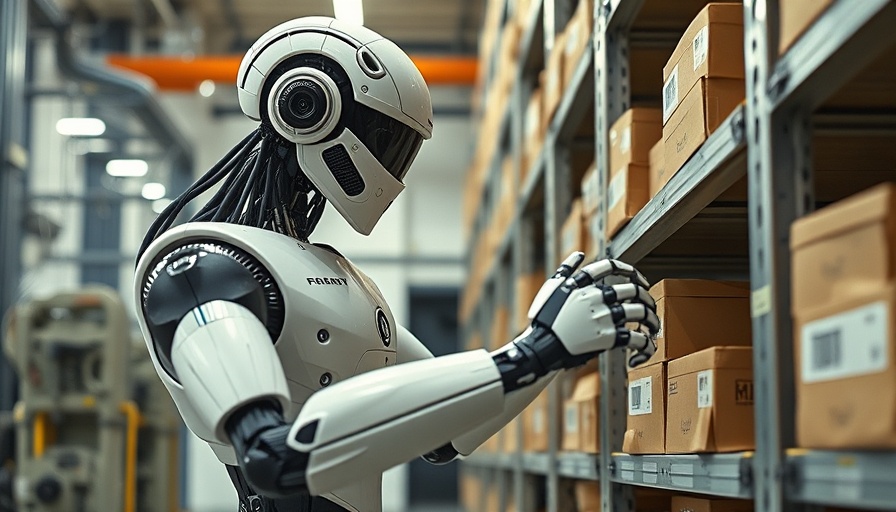
Futuristic humanoid robot in industrial setting analyzing shelves.

Understanding the Promise of Humanoid Robots

The rise of humanoid robots has ignited interest due to their potential to integrate seamlessly into environments designed for humans. Unlike traditional machines, humanoids like Atlas offer a flexible solution capable of switching between various tasks, bringing unprecedented value to everyday tasks.

In the video 'Pick, Carry, Place, Repeat | Inside the Lab with Atlas,' the discussion dives into the advancements in humanoid robots, exploring key insights that sparked deeper analysis on our end.

Atlas: A Leap Forward in Robotic Capability

Boston Dynamics' Atlas represents the culmination of years of research and development in humanoid robotics. The previous generation showcased astounding athleticism with capabilities like running and jumping. Still, it faced challenges with hydraulic systems that were complex and messy. The latest iteration utilizes battery technology along with innovative electronic actuators, resulting in a machine that is faster, stronger, and more compact. This development pushes the limits of humanoid robotics significantly.

The Role of AI in Humanoid Functionality

Humans have a lifetime of experience in manipulating objects, but robots are just beginning to understand this critical skill. AI plays a pivotal role here, with ongoing efforts to create models that can learn and correct errors in real-time. The data collected from real-world interactions is invaluable as Atlas learns to perform tasks, enhancing its ability to adapt to various situations.

Efficiency in Action with Sequencing Tasks

One of the most exciting tasks for Atlas involves sequencing in automotive manufacturing. This intricate process ensures parts are prepared accurately for different vehicle customizations. By providing Atlas with basic parameters and descriptions regarding tasks, it can effectively pick and place items in the correct order. The robot's visual perception, boosted by camera technology, allows it to navigate its surroundings and avoid potential collisions, highlighting its intelligence and adaptability.

The Future is Bright for Humanoid Robots

As Boston Dynamics continues to explore new innovations in robotics, Atlas stands as a testament to the advancements in the field. With the perfect combination of agility and cognitive functionality, humanoid robots could soon alter the way we conduct tasks—turning science fiction into reliable, everyday assistance.

Artificial Intelligence

29 Views

1 Comments

Write A Comment

*
*
Please complete the captcha to submit your comment.

sd daley

03.24.2025

this is just amazing! this is just amazing!

Related Posts All Posts
09.25.2025

How Boston Dynamics’ Spot is Revolutionizing Robotics

Update A Glimpse into the Future of Robotics Boston Dynamics is changing the landscape of robotics with innovative designs and capabilities. In a recent video excerpt featuring Spot, a versatile robotic dog, viewers are treated to a showcase of how this technology is being integrated into real-world environments like Michelin. Spot’s ability to navigate challenging terrain and perform tasks that humans might find tedious or risky highlights a crucial turning point in automation.In the video Spot at Michelin Excerpt | Boston Dynamics, we witness how this innovative robot enhances productivity in diverse environments, sparking critical discussions about the future of work. Bridging the Gap Between Technology and Everyday Life The introduction of robots like Spot into various industries signifies a shift towards greater efficiency and safety. By taking on labor-intensive tasks, robots free up human workers to focus on higher-level problem-solving and creative thinking. For instance, in Michelin, Spot may be used to inspect equipment or monitor processes without disrupting the workflow. What Robotics Means for the Workforce As engaging as these advancements are, they also bring about important conversations regarding the future of work. The integration of robotics could lead to job displacement in some sectors, while simultaneously creating new opportunities in tech and maintenance fields. Understanding these nuances is essential as we move forward into a more automated future. The Path Forward: Embracing Innovation Embracing robotics, as seen with Spot's integration into Michelin, is not just about efficiency—the aim is to improve overall productivity while minimizing human risk. This paradigm shift opens doors for future innovations that can further enhance our everyday lives.

09.16.2025

How End-to-End Neural Networks Are Transforming Robotics Today

Update Revolutionizing Robotics with Neural Networks In the fast-paced world of technology, robots are becoming increasingly sophisticated, thanks to advancements in neural networks. A recent video titled Atlas Getting a Leg up with End-to-end Neural Networks highlights how these cutting-edge systems are enhancing robot capabilities, allowing them to navigate and interact with complex environments in ways previously thought impossible.In the video Atlas Getting a Leg up with End-to-end Neural Networks, the discussion dives into how robotics technology is advancing through neural networks, exploring key insights that sparked deeper analysis on our end. What Are End-to-End Neural Networks? End-to-end neural networks are models that process raw input data directly to produce output, eliminating the need for manual intervention in the data processing stages. This innovation streamlines tasks by integrating perception and action, allowing robots like Atlas to learn from their surroundings without extensive programming. The Social Value of Advancements in Robotics As robots become more adept at performing tasks, they hold the potential to transform industries ranging from manufacturing to healthcare. For instance, Atlas's improved mobility can lead to better support for human workers in physically demanding jobs, ultimately increasing productivity and safety in the workplace. Future Predictions: Where Will Robotics Go From Here? Experts believe that as neural networks continue to evolve, robots will gain abilities that allow them to undertake even more complex tasks, which could revolutionize how we interact with technology. The future may see robots assisting in everything from home care to disaster response, changing our daily lives significantly. As we embrace these advancements, understanding their implications is crucial for both entrepreneurs and consumers. With a clear grasp of the potential benefits and challenges presented by advanced robotics, we can all participate in shaping a smarter future.

08.28.2025

Boston Dynamics' Spot: Unraveling the Secrets Behind Robot Acrobatics

Update The Marvel of Spot: A Peek into Robot Acrobatics Imagine a robot capable of performing acrobatic feats like a backflip. While that sounds impressive, it also highlights the complexities of robotics, particularly regarding the development of Boston Dynamics’ Spot. Arun Kumar, a key player in the Spot behavior team, shared insights into the challenges and innovations involved in teaching robots to navigate extreme activities that push their physical limits.In 'Air Spot | RL Behavior Research | Boston Dynamics', we explore the fascinating world of robot acrobatics and the intricate learning processes that enable this remarkable technology. Understanding the Core of Robotics with Reinforcement Learning Spot's ability to perform a triple backflip doesn't stem from whimsy; it signifies the careful application of reinforcement learning, where robots act like training pets—they learn through rewards. Each action they take in simulations leads to either success or failure, which informs future actions. This method not only facilitates incredible physical feats but also aids in real-world applications by improving how robots recover from slips or missteps during their operations. Engineering Challenges and Triumphs in Robotics Every sophisticated move Spot makes requires precise control and extensive testing. Kumar emphasizes that every small success leads to numerous failures. For instance, transitioning from simulation to real-world tasks often doesn’t work on the first try. These setbacks inform engineers about the robot's performance, taking note of malfunctions and iterating rapidly to refine Spot’s abilities. Robots in Real-World Scenarios: More Than Just Tricks While it may be thrilling to witness Spot’s spectacular acrobatics, its core design serves practical and industrial applications—like traversing factories and performing inspections. Such capabilities mean that every computation and correction directly impacts how effectively Spot can perform its job, ensuring safety and efficiency in the environments it customarily operates. In summary, Boston Dynamics is at the forefront of technological innovation with Spot, showcasing how advanced robotics is evolving beyond functionality to include remarkable feats that enhance reliability and adaptability. As we progress in this robotics landscape, understanding the underlying methodologies and engineering hurdles gives us insight into the future of robotics—an area ripe with potential for practical uses, making our lives easier and more exciting.

Terms of Service

Privacy Policy

Core Modal Title

Sorry, no results found

You Might Find These Articles Interesting

T
Please Check Your Email
We Will Be Following Up Shortly
*
*
*